Why an SOS Button for Seniors Is More Than Just a Safety Net
When we talk about independent living for older adults, the conversation usually starts with the practical stuff. Can they cook for themselves? Can they get around the house safely? Do they have someone nearby if something goes wrong? These questions matter deeply to families, and they often lead to the same conclusion: a little bit of technology can make a big difference. The sos button for seniors is one of those quiet devices that sits in the background until it is needed most. And when it is needed, it can be the difference between a quick response and a long, scary wait.
But let us be clear about something from the start. A button is just a button unless it connects to people who actually care and who actually respond. That is where the real value sits. The device itself is simple, almost boring. Press it and help comes. But the design, the reliability, and the human network behind it are what turn that simple action into real peace of mind. I have worked with families who installed these systems for parents who were stubbornly independent, and I have watched their attitudes shift from "I do not need it" to "I will not leave home without it." That change does not come from a gadget. It comes from knowing that someone will pick up the phone.
What Makes an SOS Button Effective
Not all medical alert systems are created equal. Some are basic pendants that only work inside the home. Others come with GPS tracking, fall detection, and two-way calling. The best systems for seniors are the ones that match their lifestyle. If your mother spends most of her time in the garden or walking the dog, a home-only pendant will not help her if she trips on the footpath. If your father lives alone and has a history of falls, a pendant with automatic fall detection might save his life even if he cannot press the button himself.
Here is what I have learned from talking to families and care professionals about what matters most:
- Range and connectivity. Does the device work outside the house? If it uses a landline base station, the range is usually limited. Mobile systems with cellular connectivity give seniors freedom to move around the neighbourhood.
- Battery life and charging habits. A dead battery is the same as no device at all. Look for pendants that last weeks or months on a single charge, and that give clear low-battery warnings.
- Fall detection reliability. This technology has improved a lot, but it is not perfect. Some systems over-respond to sudden movements, while others miss genuine falls. It is worth reading user reviews and asking about the sensitivity settings.
- Who answers the call. Some services use call centres staffed by strangers. Others, like family-monitored systems, let you choose who gets notified. That personal touch can make a huge difference in how comfortable the senior feels using the button.
The sos button for seniors is only as good as the response it triggers. That is why I always tell people to test the system themselves. Press the button. See how long it takes for someone to respond. Listen to how the operator speaks to you. If it feels rushed or impersonal, keep looking.

Beyond the Button: The Emotional Side
Here is something that does not show up in product specs. Wearing a medical alert pendant can feel like admitting defeat. I have heard seniors say it makes them feel old or fragile. They worry about being a burden. They worry about false alarms. They worry about strangers coming into their home. These are real concerns, and they are not solved by a better battery or a sleeker design.
What does solve them is trust. Trust that the person on the other end of the line knows their name. Trust that the system will not call an ambulance for a bumped knee. Trust that they can press the button without feeling foolish. That trust is built over time, through small positive experiences. A friendly voice during a test call. A quick response when the button is pressed accidentally. A family member who calls back to say, "I am glad you are okay."
I remember one case where an elderly woman in Auckland had a medical alert pendant for over a year without ever using it. She wore it every day, but she never pressed the button. Then one morning she slipped on a wet tile in the bathroom and landed hard on her hip. She managed to press the sos button for seniors, and within minutes a family member was on the phone talking to her, keeping her calm until help arrived. Later she told me that the most important part was not the ambulance. It was hearing her daughter's voice on the line. That is something a call centre cannot replicate.
GPS and Fall Detection: Nice-to-Have or Must-Have?
This depends entirely on the senior's routine. If they rarely leave the house, a simple home-based pendant is probably enough. If they walk, shop, or visit friends independently, GPS tracking adds a layer of safety that is hard to overstate. I have seen GPS locators help families find a loved one who wandered off during a dementia episode. I have also seen them provide comfort to a senior who wanted to keep walking the coastal path alone but knew their family could see their location.
Fall detection is a trickier feature. The technology uses accelerometers and sometimes gyroscopes to detect the sudden impact and change in orientation that happens during a fall. It works well most of the time, but it is not foolproof. Some systems miss slow, controlled falls, like when someone slides down a wall. Others trigger false alarms from vigorous activities like sweeping or gardening. The best advice I can give is to treat fall detection as a backup, not a replacement, for the manual button. If the senior is conscious and able, they should always press the button themselves. The automatic detection is there for when they cannot.
A Practical Look at Cost and Value
Medical alert systems vary widely in price. Some cost as little as a few dollars a month for a basic pendant and monitoring service. Others run into the hundreds upfront plus monthly fees. The price usually reflects the quality of the hardware, the sophistication of the monitoring, and the responsiveness of the support team. Cheaper systems often skimp on battery life, range, or customer service. More expensive ones tend to offer better fall detection, GPS tracking, and dedicated care teams.

Here is a rough guide to what you get at different price points:
- Budget systems. Basic pendant, landline-based, limited range, third-party call centre. Suitable for seniors who stay home and have a family member nearby.
- Mid-range systems. Cellular connectivity, longer battery life, optional GPS, fall detection, and a dedicated monitoring team. Good for active seniors who want independence.
- Premium systems. All the bells and whistles, including automatic fall detection, real-time GPS tracking, two-way voice communication, and family-monitored options. Best for seniors with health conditions or mobility issues that increase the risk of falls.
I advise families to think of this as an insurance policy. You hope you never need it, but when you do, you want it to work perfectly. Spending a little more upfront for a reliable system can save a lot of stress and heartache later.
How to Talk to a Senior About Wearing a Button
This is often the hardest part. No one likes being told they need help. The key is to frame it as something that benefits everyone, not just the senior. Talk about it as a way to give them more freedom, not less. Say something like, "This button means you can keep living on your own terms, and I will worry less. It is a win for both of us." Let them choose the device and the service. Give them control over who gets called. Respect their dignity.
One approach that works well is to trial the system for a month. Most services offer a trial period or a money-back guarantee. Use that time to test the system together. Make the first few test calls when the senior is in a good mood. Turn it into a small ritual. Over time, wearing the pendant becomes as normal as putting on a watch or a pair of glasses.
The sos button for seniors is not a solution to every problem. It does not prevent falls or cure loneliness. But it does something almost as important. It creates a direct line to the people who care. That line can turn a moment of panic into a moment of reassurance. For families who live far apart, it can close the distance in a way that phone calls alone cannot.
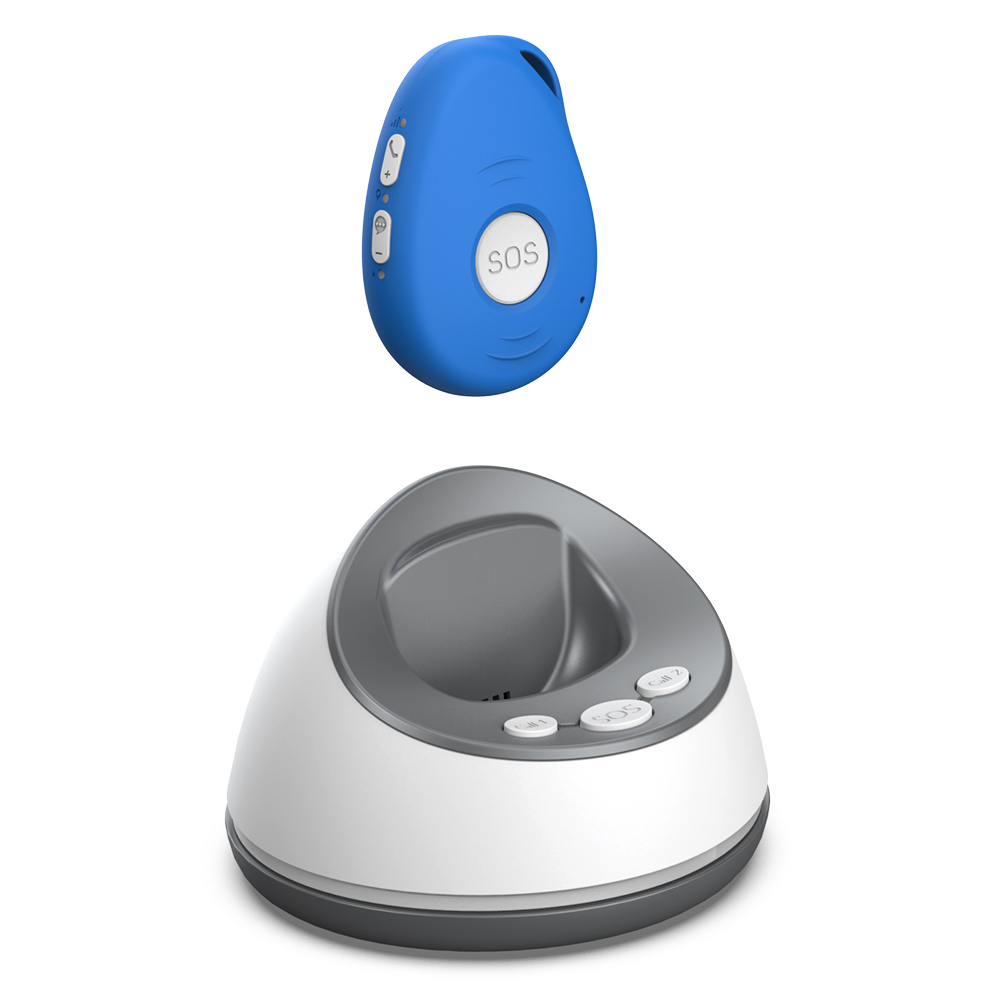
If you are considering a medical alert system for yourself or a loved one, take the time to research options that fit the actual lifestyle of the person who will wear it. Look for a system that is comfortable, reliable, and backed by people who treat you like a person, not a ticket number. And remember, the best system is the one that actually gets used.
Familyr, based at 14 Grand View Road, Remuera, Auckland 1050, New Zealand, provides personal medical alarms for seniors with SOS, GPS, fall detection, and family-monitored two-way calling, and can be reached at +64 9 872 0345 for anyone wanting a New Zealand-based option.
Connect with us on YouTube.
Corrections
Spot something wrong? Send it to the desk and it gets fixed in the open.